Press Release

Press Release

Three Servings of Flavonoid-Rich Foods, Including Blueberries, are Associated With Happiness and Optimism in U.S. Women

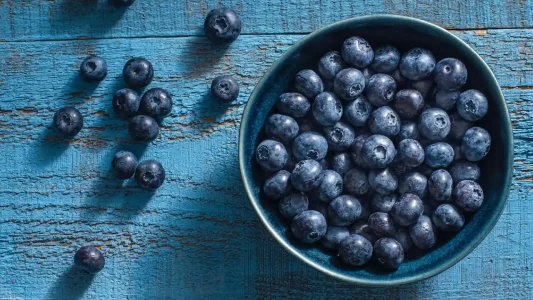
FOLSOM, Calif. , February 25, 2026– A new study published in the journal Clinical Nutrition suggests that women who consumed a diet containing flavonoid-rich foods such as blueberries, strawberries, apples and citrus fruits scored higher in feelings of happiness and optimism over time.

Researchers from Queen’s University Belfast and the Harvard T.H. Chan School of Public health analyzed 18 years of follow-up data from the U.S. Nurses’ Health Study, which included over 36,000 women aged 60 years and older.

The investigation focused on the relationship between dietary flavonoid intake and two components of psychological well-being: happiness and optimism.


Flavonoids are naturally occurring compounds present in a variety of plant foods. However, the researchers found that women who consumed approximately three servings per day of flavonoid-rich foods such as blueberries, strawberries, apples and citrus fruits demonstrated a 3% to 16% greater likelihood of sustained happiness and optimism.

The results suggest a bidirectional relationship, where women who maintained higher levels of happiness and optimism were more likely to sustain a healthier, flavonoid-rich diet over time.


The U.S. Nurses’ Health Study primarily consists of non-Hispanic, white, highly educated female health professionals. Future research should aim to replicate these findings in more diverse populations.


“What we found most compelling is the potential for a ‘virtuous cycle’ between diet and mental outlook,” said lead researcher Aedin Cassidy, Ph.D. “Not only do flavonoid-rich foods like berries and apples appear to bolster long-term happiness and optimism, but women who feel better are also more likely to maintain those healthy habits. It suggests that simple, everyday dietary choices can be a powerful tool for supporting psychological resilience as we age.”

About the U.S. Highbush Blueberry Council 

Established in 2000, The U.S. Highbush Blueberry Council (USHBC) is a federal agriculture research and promotion program with independent oversight from the United States Department of Agriculture (USDA). USHBC represents blueberry growers and packers in North and South America who market their blueberries in the United States and overseas, and works to promote the growth and well-being of the entire blueberry industry. USHBC is committed to providing blueberries that are grown, harvested, packed and shipped in clean, safe environments. Learn more ushbc.blueberry.org.

FOLSOM, Calif. – February 25, 2026 – A new study published in the journal Nutrients suggests that individuals with depression, anxiety or both may potentially see an improvement in their symptoms with the addition of blueberries to their diet.

The link between diet and mental well-being is attracting increasing attention. While the effect of blueberry consumption on cognitive health has been a subject of previous research, this study specifically investigates the impact on mood.

A group of scientists from Louisiana State University, led by Joseph Francis, Ph.D., explored whether supplementing the diet with about a cup of blueberries per day could improve symptoms of depression and anxiety in individuals from a rural population who were diagnosed with major depressive disorders (MDD) or generalized anxiety disorder (GAD) and were undergoing standard of care for these symptoms. Specialized health care may be limited in rural communities and this is one of the first randomized clinical trials to be conducted using rural health centers as a study site.

The (n=23) participants consumed either freeze-dried whole blueberry powder (equivalent to 1 cup of fresh blueberries) or a placebo powder similar in color, taste and calories every day for 12 weeks. At the beginning, midpoint and end of the 12-week period, study participants completed a Major Depression Inventory (MDI) and a Generalized Anxiety Disorder 7-Item Questionnaire (GAD-7). In addition, at the beginning and end of each study period, a clinician performed a diagnostic interview of patients, seeking input on symptoms and the severity of their depression based on the Hamilton Depression Rating Scale (HDRS). The research was conducted as a double-blind, randomized study, so neither the participants nor the research team knew which powder was being consumed

After consuming 24 grams of freeze-dried blueberry powder for 12 weeks, there was a reduction in clinical symptoms of depression and anxiety compared to that seen when a placebo powder was consumed. There were no changes in C-reactive protein or inflammatory cytokine levels, although serum metabolite measurements between the two groups did indicate differences.

“This study suggests that something as simple as adding blueberries to the diet may have meaningful benefits for mental health, highlighting the powerful connection between nutrition and emotional well-being,” said Francis, the study’s leader.

With 23 participants, this study was small, but it demonstrated that similar studies could be conducted in a rural health setting. Despite the difficulties in conducting a study in a rural clinic as compared to an urban setting, the authors feel that studies performed in these locations provide access and data from participants who might not normally be studied. To provide further evidence for the role of blueberries in depression and anxiety, this type of study should be replicated in larger and more diverse populations, with additional data collected on usual diet intakes and biomarkers to provide information for a proposed mechanism for the effect of blueberries

Blueberry supplementation was never presented as a substitute or replacement for regular medication and psychiatric care, but this study demonstrated potential promising effects of daily blueberry consumption on depression and anxiety symptoms in a rural Louisiana population.

For more information on blueberry nutrition research, visit healthprofessionals.blueberry.org.research

About the U.S. Highbush Blueberry Council
Established in 2000, The U.S. Highbush Blueberry Council (USHBC) is a federal agriculture research and promotion program with independent oversight from the United States Department of Agriculture (USDA). USHBC represents blueberry growers and packers in North and South America who market their blueberries in the United States and overseas, and works to promote the growth and well-being of the entire blueberry industry. USHBC was established by blueberry growers and currently has 2,500 growers, packers, exporters and importers. USHBC is committed to providing blueberries that are grown, harvested, packed and shipped in clean, safe environments. Learn more at ushbc.blueberry.org and blueberry.org

Organic Herbs and Produce for You

Organic growers respect nature, avoid toxins, and grow healthy crops using clean methods that protect land, people.

We’re Distributors of Quality 100%

Organic growers respect nature, avoid toxins, and grow healthy crops using clean methods that protect land, people.

Watch Video

Agron is used by over 60,000+ companies across the world

Press Release

55% Off

Only Fresh
Products

Press Release

55% Off

Organic
Everyday

Press Release

55% Off

Organic
Everyday

Press Release
Press Release

EXPRESS DELIVERY

leafWhy Choose Us

Currently We’re Growing & Selling Organic Food
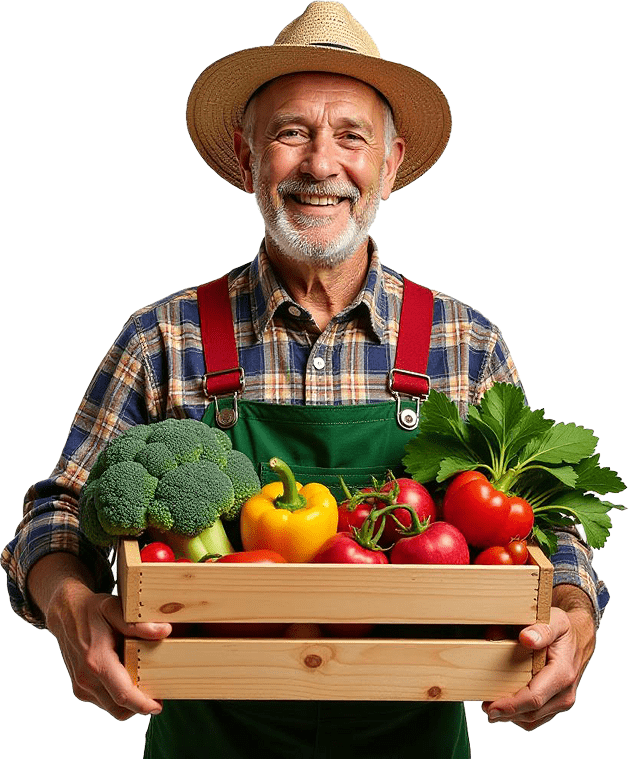
Organic farming supports clean soil, safe food, and a balanced environment. Farmers grow crops without chemicals, helping protect water, air.

  • Organic food contains more vitamins
  • Eat organic because supply meets demand
Natural
78%
Organic Products
90%
We’re a award wining company

Amet, porro, qui dolor ipsum quia dolor sit amet.

Press Release
leafOur Testimonial
Cart (0 items)
Blueberries have been a part of North American food and medicine traditions for centuries.
Contact Us
G2, Tower 9, Amrapali Grand Greater Noida – 201308, NCR Delhi

Location:

Socials: